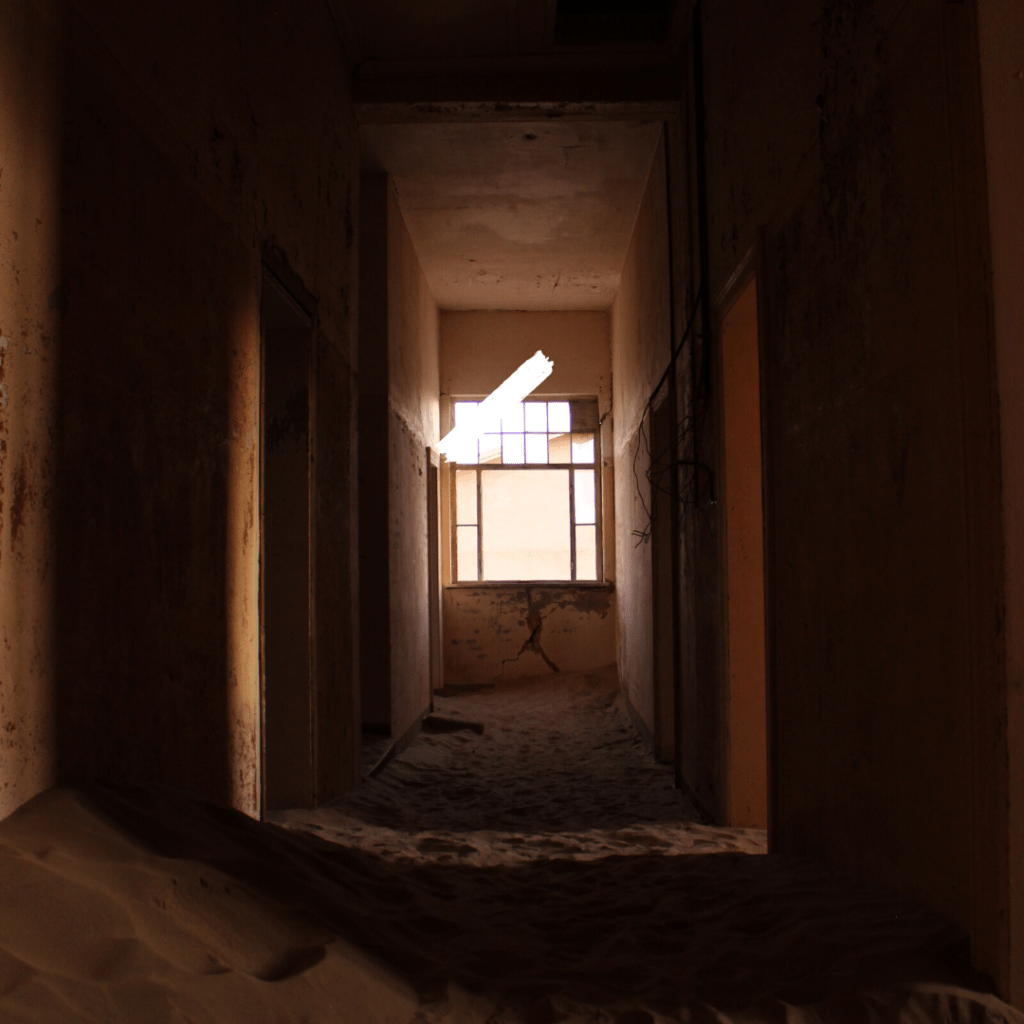
on tour: harshness and light
I was grateful to be given the opportunity to go on a tour of the prison with the Public Information Officer (PIO). This is a privelege provided to judges, attorneys, state officials and schools to name a few. And to employees if they want it.
I was scheduled to be on tour with a high school group. That wasn’t my ideal tour situation, but it was what it was. I arrived at East Gate at the scheduled time. The officer manning the gate said he was just waiting for the bus to show up and then give the call to the PIO to come and start the tour. 10 minutes pass. I decide to go into the museum, which strangely enough is inside the gate and not accessible to the public.
They man at the front is hunched over his table and barely acknowledges me because he’s on the phone. But he then welcomes me in. He’s probably not used to visitors.
It’s a small building with low ceilings just opposite the parking lot. A place that many that work there just pass by day after day but have never ever been inside. I love history. And this is iconic history on these grounds. The images inside and displays tell a story of harsh times. And of the change that has happened over the years.
I keep stepping outside so as not to miss the bus arrival. But it never does arrive. But the PIO meets me anyhow, introducing herself and says she’s scheduled the tour and because I showed up, she’s going to take me anyhow. Sweet! A private tour sans the kiddos.
She just took over for the previous PIO who has been at this prison for 26 years and had started out here on death row. He was pretty revered and quite a talker. But this current PIO is no stranger to the prison, having been here 20 years. So she’s got a wealth of info from her own experience too. Everywhere we walk, the officers and the incarcerated greet her with a smile, a fist bump and obvious respect.
She tells me about the heated sessions that go on in the parole board room, just before you enter into the prison walls. This is wear a man will discuss all that he has been doing to “program” or decrease his points, demonstrating his rehabilitation and efforts to parole.
I was taken into the visitors area with low child size tables sit, giving the appearance of a kindergarten classroom. These reduce the ability of handing off something under the table or touching without the officers seeing. The general public area is open with many places to sit. A contrast to the visitors area for those that are condemned–a room of plexiglass, exposed on all side, or a small window in a concrete hall separated by plexiglass.
In front of the three religious centers (Catholic, Protestant, Muslim) and in the courtyard where the birds are chirping and the sun is shining, These centers are where those that live here come to worship, but they’re often filled with musicians from both inside and out. They hold gatherings here from visitors of sports teams and police officers—all to give some community building and let those on the inside know that they’re not alone.
Outside, I’m introduced to three of the residents. They share their stories and it’s a time when I get to ask them questions. Usually those on tour are surprised by this opportunity to speak to real incarcerated individuals, several feet away. But since I have the privilege to work here, I have been able to get comfortable. But I do have a few questions that come up and they are very forthcoming and honest.
In the end, they’re trying to rehabilitate from their mistake in hopes that they will get out early and be able to join their families again. I appreciate getting to look in their eyes and see the validation in their efforts.
We’re then joined by a resident who will accompany us along the rest of the tour. He will take over and guide me in some places where the PIO does not join us and give me the insider view. He’s soft spoken and has kind eyes.
They take me to see the former dungeon, which they’ve only kept to show visitors, as it was decommissioned in 1940 by a warden who deemed it inhumane. And it is indeed that. It was built for 45 incarcerated people but at times has up to 150 inside. Small concrete walled rooms, without light, a solid door, no furniture, no toilet or sink. They would be left there for 48-72 hours until they would check on them and deem if they were ready to come out. Not the best option if you want someone to come out ready to make amends and be a model prisoner, right?
I realize now that this is getting lengthy. So much to share. I will break it up into two parts for ease of reading.
Paring ways now, until we cross the yard.
**just to note, I’ll be leaving out the name of the institution that I work at. It’s a state prison for reference. Images are not from the prison as no devices are allowed in.

 Prison PT
Leave a comment